What Is Sublimation Printing and Why Team Uniforms Use It
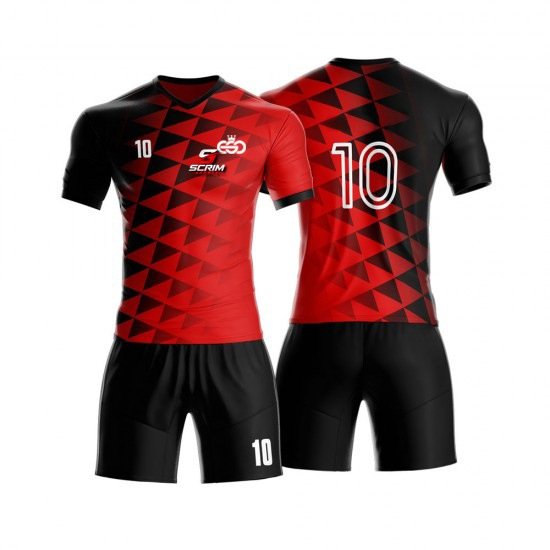
Walk onto almost any youth soccer pitch, ice rink or lacrosse field and most of the jerseys you see will be sublimated. It has become the default decoration method for team uniforms — and for good reason.
How sublimation works
Your design is printed in mirror image onto special transfer paper using sublimation inks. The paper is placed on white polyester fabric and pressed at high temperature. The heat turns the ink into a gas that bonds with the polyester fibres, so the colour becomes part of the fabric rather than a layer sitting on top of it. The printed panels are then cut and sewn into the finished garment.
The advantages
- Unlimited colours and effects. Gradients, camo, photographic textures and all-over patterns cost the same to print as a plain design.
- No cracking or peeling. Because the ink is inside the fibre, there is nothing to wear off.
- Lightweight and breathable. No heavy print layer means the fabric keeps its stretch and moisture-wicking performance.
- Easy personalisation. Names and numbers are part of the same print file, so every jersey can be different.
The limitations
Sublimation only works on polyester (or high-polyester blends) and on light base fabric — you can't sublimate white onto a dark cotton shirt. For cotton T-shirts and hoodies, screen printing, DTF or embroidery are better choices.
Is it right for your team?
If you want bold designs, multiple colours and individual names and numbers on performance fabric, sublimation is almost always the best value. Browse our team uniforms for examples, then send us your design for a mock-up.

The Scrim Sports production and design team in Sialkot, Pakistan, sharing practical advice from the factory floor.